
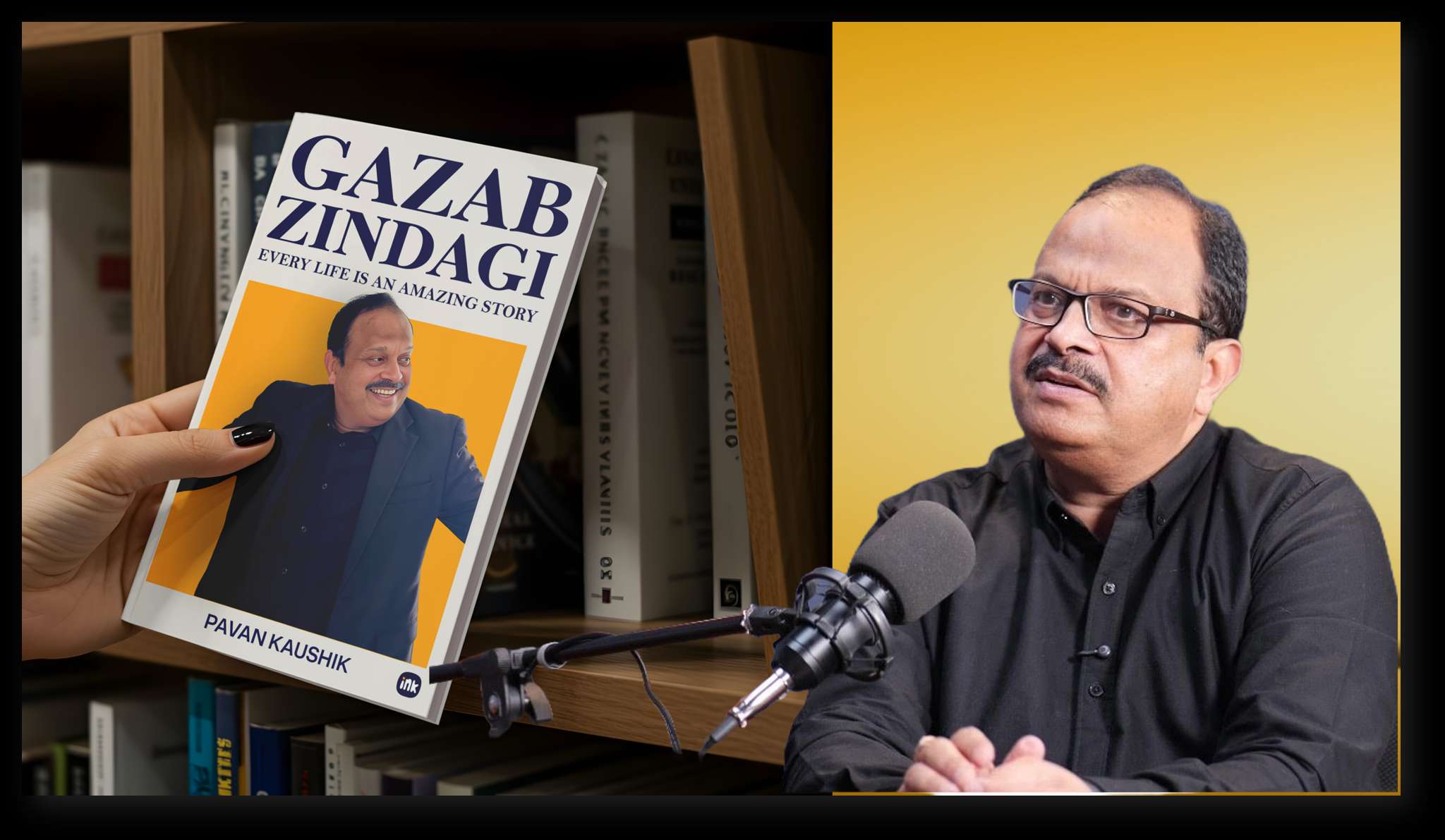
New Delhi, India – April 2026: In a sharp and thought-provoking reflection on modern leadership, Pavan Kaushik, Storyteller & Author and Co-founder, Gurukshetra Consultancy, challenges a widely accepted belief:
We have mistaken visibility for leadership.
Who speaks best, presents sharply, and drives the narrative in the room is often seen as the leader. Yet, as Kaushik observes, many leaders are admired in meetings—and forgotten in execution.
Beyond this visible layer lies another force—quieter, less celebrated, yet far more enduring. It exists where ideas are tested, pressure builds, and outcomes are either delivered or quietly lost. And within this contrast emerges a question that demands honesty:
What kind of leader are you?
Kaushik describes the Intellectual Leader as someone people turn to for clarity. They connect dots others miss, simplify complexity, and define direction when uncertainty prevails. They shape strategy and influence thinking. When they speak, people listen.
But leadership cannot end with articulation. It must translate into impact.
“Do your ideas travel beyond the room you present them in?”
Because leadership is not just about being understood—it is about being carried forward. As Kaushik sharply puts it, if your ideas need you to survive, they are not leadership—they are dependency.
In contrast stands the Supportive Leader—often less visible, yet deeply influential. These are the individuals who ensure things move when complexity rises. They align teams, remove friction, and step in when execution begins to crack. They are often the reason plans don’t collapse under pressure.
Their contribution may not always be seen—but it is always felt.
Yet here too lies a critical reflection:
“Are you shaping direction—or only strengthening someone else’s vision?”
Because support without perspective can limit influence, keeping leadership confined to execution rather than transformation.
Kaushik highlights a reality many organizations overlook:
the intellectual leader is seen, while the supportive leader is felt. Over time, this creates two incomplete versions of leadership—one that believes thinking is enough, and another that believes execution is enough.
Neither builds complete leadership.
In fact, not all visible leaders create impact—and not all impactful leaders are visible.
True leadership exists in the ability to move between both worlds. The most effective leaders step forward with ideas when direction is needed and step back to enable outcomes when execution demands ownership. They do not stop at asking, “What should we do?” They go further to ask, “What will it take to make this work?”
They are not just the voice in the room—they are the force that ensures the room translates into results.
This perspective calls for deeper self-reflection. Beyond titles and roles, Kaushik urges leaders to ask themselves: Do people associate you more with ideas, or with outcomes? When things succeed, are you known for direction, or for delivery? In moments of pressure, do you guide—or do you ground? The answers often reveal more than any designation ever can.
In conclusion, leadership is not a choice between intellect and support—it is the discipline of balancing both. Ideas require ownership, and execution demands intent. The leaders who create lasting impact are those who can do both—think with clarity, and enable with commitment.
Kaushik leaves readers with a final reflection:
Are you an intellectual leader, or a supportive one? Or more importantly… What are you not yet becoming?
Leadership is not what you say in the room.
It is what survives after you leave it.
