Rooted in heritage and reimagined for a new generation, Tilla-et-Noor brings centuries-old Kashmiri craftsmanship into contemporary wardrobes while creating a sustainable future for the artisans behind it.
For Deeksha Gandotra, Managing Director, Très Versatile, Co-Founder,
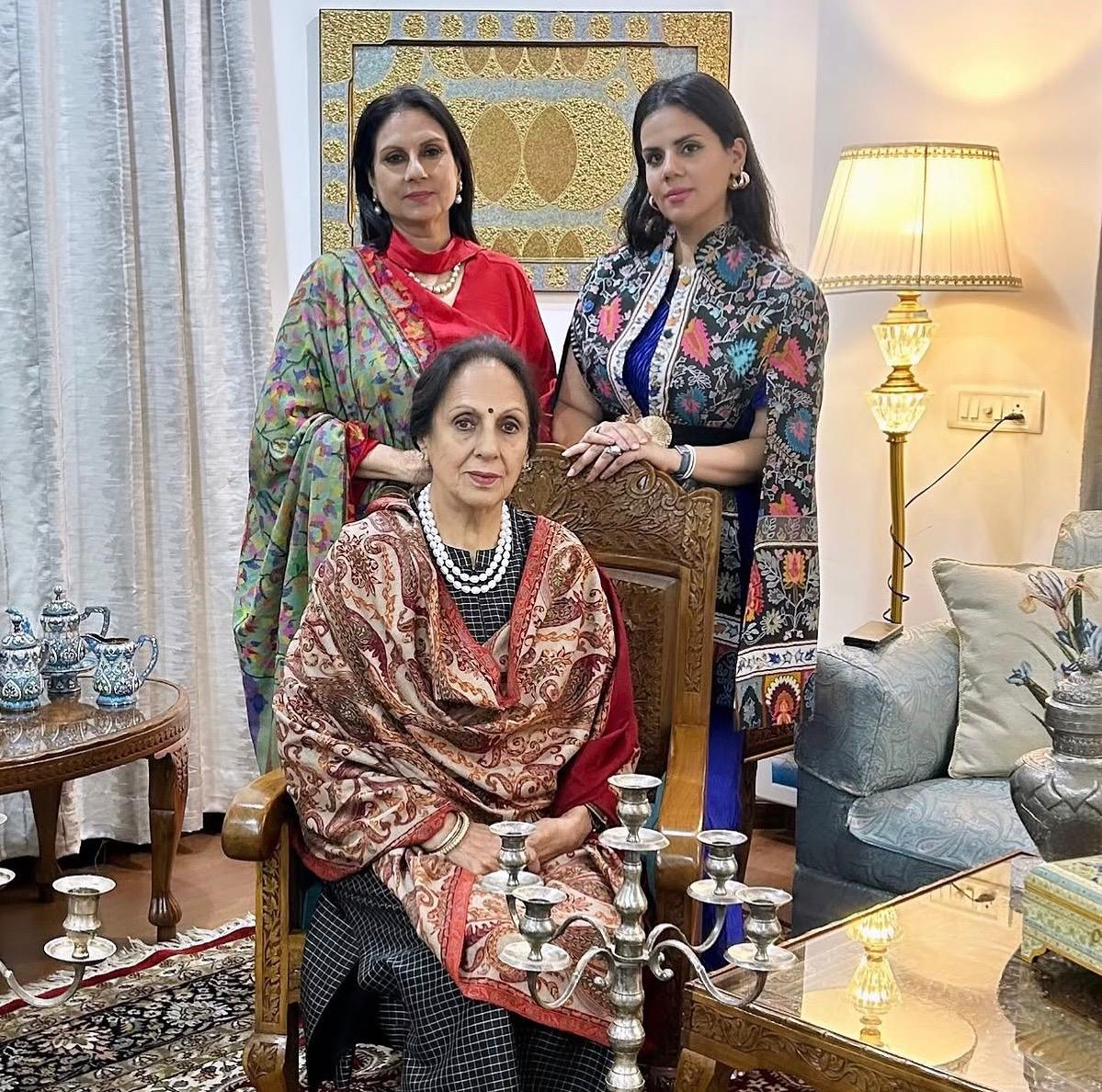
Tilla-et-Noor, Atelier, Kashmir has always been more than a place. Born and raised in Delhi to a Kashmiri family displaced during the unrest of 1989, she grew up surrounded by stories, traditions and clothing that kept her connection to Kashmir alive.
That connection eventually became the foundation for Tilla-et-Noor, the Kashmiri arm of Atelier, her family's nearly four-decade-old fashion house. Founded by her mother and her mother’s sister, Atelier has evolved from western wear and footwear to Indian couture and handcrafted fashion, with a presence across Delhi, Kashmir and Dubai.
The idea for Tilla-et-Noor emerged when Deeksha noticed how often people asked about the Kashmiri pieces she wore. While admiration for the craft was immense, she saw an opportunity to make it more relevant and wearable for younger consumers.
“Tilla-et-Noor is probably the most personal expression of Atelier for me. It comes from our Kashmiri roots and from wanting to take something I've grown up seeing and loving and give it a language that feels relevant today,” says Deeksha.
At its heart lies a simple question: How can heritage survive if the next generation doesn't see itself wearing it?
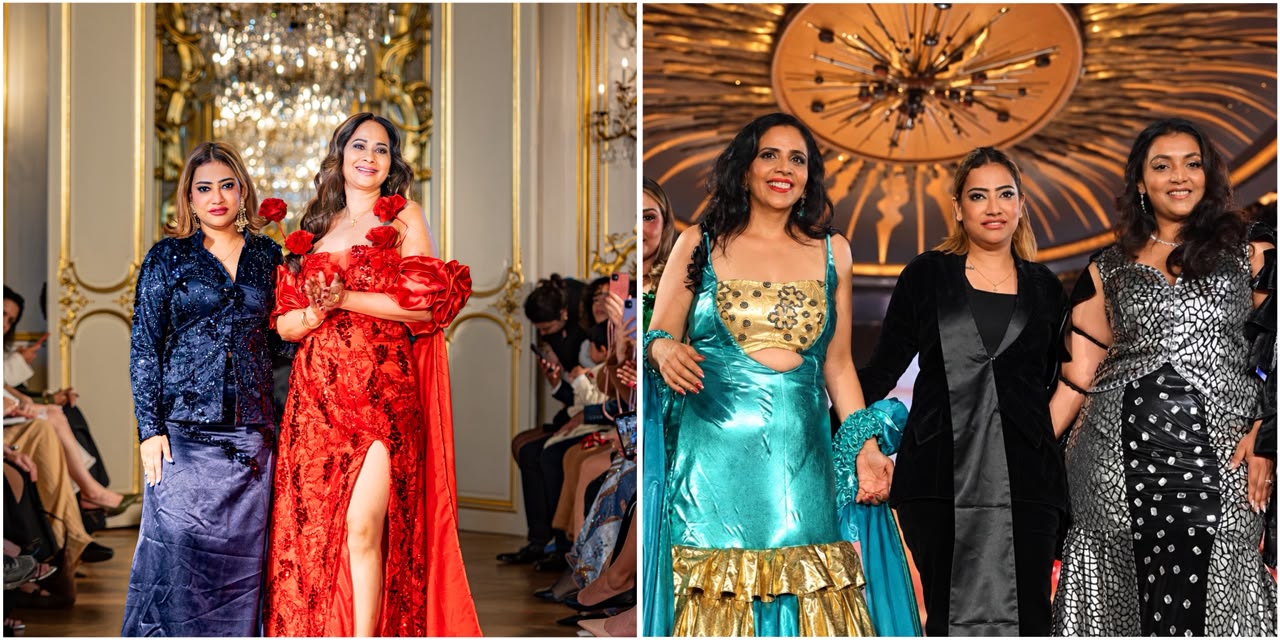
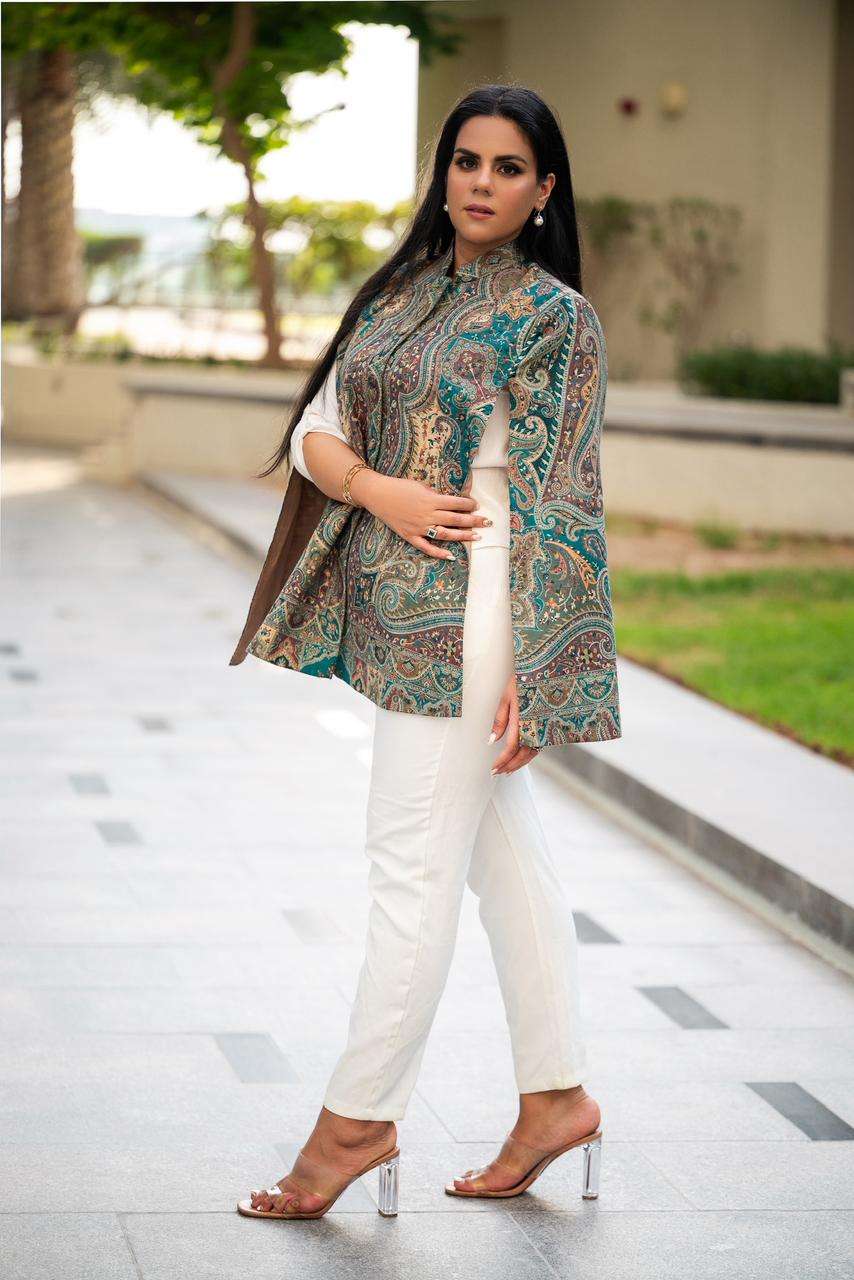
Tilla-et-Noor places traditional Kashmiri embroidery on contemporary silhouettes, from capes, blazers and co-ord sets to heritage-inspired pherans and farshi sets. Its Tilla Co-ord Sets and Tilla Farshi Sets are among the label's bestsellers, demonstrating the appetite for craftsmanship presented through modern design.
Deeksha says, “The key is knowing what should change and what shouldn't. Modernising Tilla-et-Noor isn't about changing its soul; it's about giving that soul a new expression.”
Central to this philosophy are the artisans themselves. Their generational knowledge of technique, thread, colour, proportion and motifs makes them active participants in the design process. For Deeksha, preserving these crafts also means ensuring they remain economically viable.
“A craft survives when there is demand for it. If a 25-year-old sees Tilla-et-Noor today and genuinely wants to wear it, you've created an entirely new market for that artisan's skill.”, she adds.
As Tilla-et-Noor expands beyond Delhi, Kashmir & Dubai, with Punjab identified as its next destination, its ambition extends beyond geographical growth. The larger vision is preservation through participation: creating sustainable livelihoods for artisans, fostering pride in Kashmiri heritage among younger generations and building global recognition for its craftsmanship.
Preserving a craft isn't simply about remembering where it came from, it is about giving people a reason to keep making it, wearing it and carrying it forward.